It may sound like science fiction, but beneath the forest floor lies a vast communication network. It’s one built not of wires, but of roots and fungi. Scientists call it the mycorrhizal network, and through it, plants can share nutrients, send warnings, and even influence their neighbors’ behavior.
Some researchers have nicknamed it the “Wood Wide Web,” and for good reason: it’s one of the most sophisticated natural systems ever discovered. What looks like silent competition above ground is, below the surface, a world of quiet cooperation and survival strategy, where trees and plants engage in a kind of conversation through chemistry.
The Fungal Connection
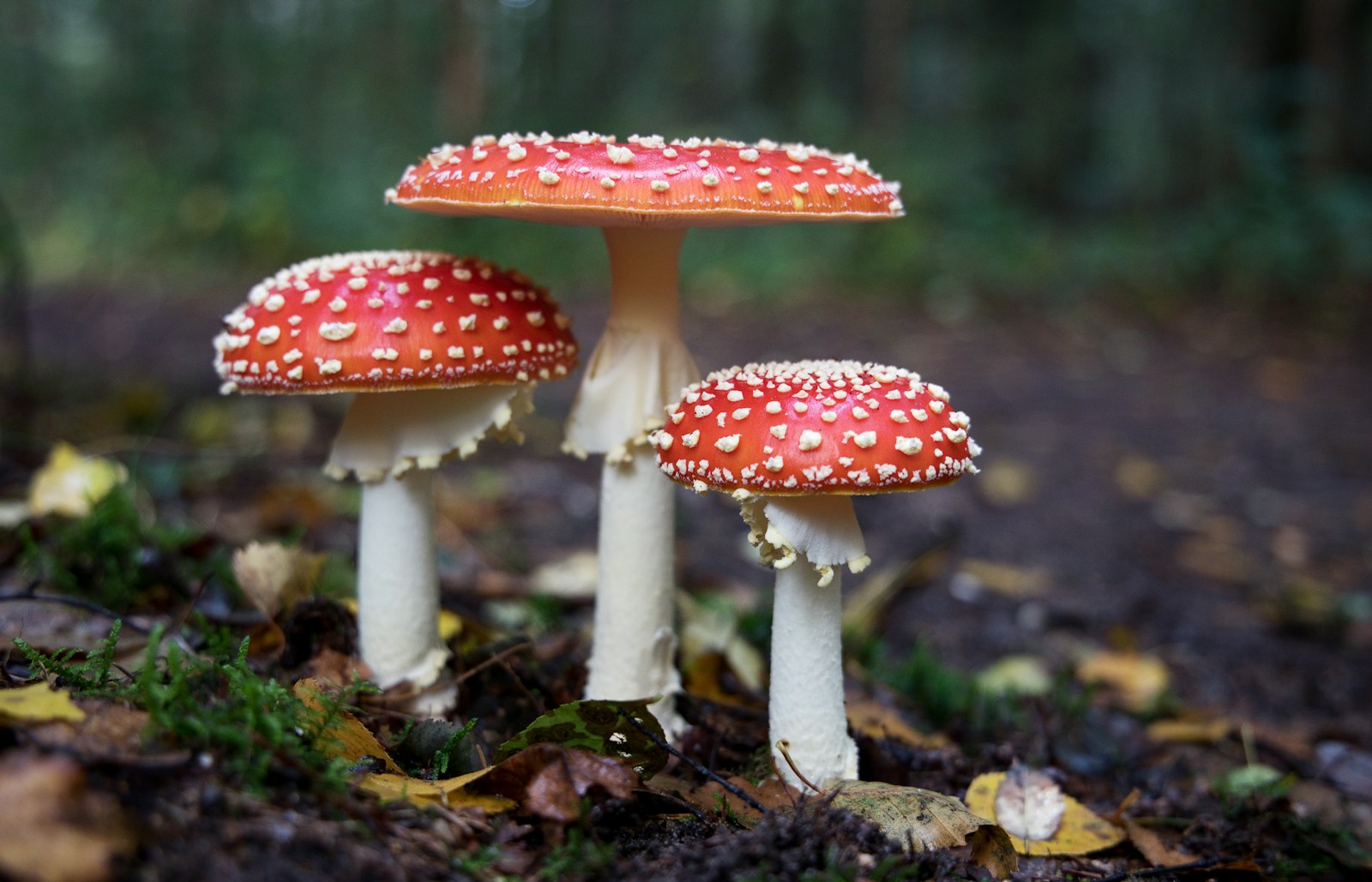
At the heart of this communication system are mycorrhizal fungi, microscopic filaments that intertwine with plant roots. The word mycorrhiza literally means “fungus root.” In this symbiotic relationship, the fungi act as middlemen: they draw water and nutrients, such as phosphorus and nitrogen, from the soil and pass them to the plants in return for sugars and carbohydrates.
But these fungi do more than trade resources. They form networks that connect multiple plants, even different species, into a communal system. Using chemical and electrical signals, plants can detect distress, share defense compounds, or redirect nutrients to weaker neighbors.
This network functions like a natural internet, carrying coded messages through underground “data cables” of fungal threads called hyphae.
Forests That Share and Warn
Research from the University of British Columbia, led by ecologist Suzanne Simard, revealed that trees can use this fungal network to support one another. For example, older “mother trees” have been observed sending extra carbon to shaded seedlings that can’t photosynthesize enough on their own. When one tree is attacked by insects or infected with disease, it releases chemical distress signals through the network, prompting nearby trees to boost their own defenses.
This underground exchange challenges the old notion of trees as solitary competitors. Instead, forests operate as social ecosystems. They are complex communities that prioritize balance and mutual survival.
Even species competition can take unexpected turns. Some plants, like invasive weeds, exploit the network to sabotage rivals by releasing toxic compounds. It’s not all cooperation; it’s strategy, evolution, and adaptation in motion.
The Chemistry of Communication
The messages plants send are biochemical, not linguistic. When under stress, they release volatile organic compounds, chemical messengers that travel through roots and soil. Fungi detect these changes and transmit signals to connected plants, triggering specific responses, such as closing pores to conserve water or producing bitter compounds to deter pests.
This process happens in real time, much faster than many assumed possible for non-animal life. Researchers have even observed slight electrical activity traveling through fungal networks, suggesting a primitive analog to the way neurons fire in animal brains.
It’s a reminder that intelligence in nature takes many forms: sometimes silent, slow, and buried beneath our feet.
Why It Matters for the Future
Understanding plant communication isn’t just fascinating; it has real-world implications. Mycorrhizal networks could hold the key to restoring damaged ecosystems, improving crop resilience, and combating climate change. When farmers preserve fungal health, crops grow stronger, need fewer chemicals, and better withstand drought.
Forests connected through robust fungal systems also store more carbon and recover faster from stress. Protecting these underground links means protecting the planet’s natural communication infrastructure.
So next time you walk through a forest, imagine the invisible conversations happening below: trees whispering warnings, seedlings asking for help, fungi translating messages across the soil. The world beneath our feet is alive with dialogue. We’re only beginning to learn its language.