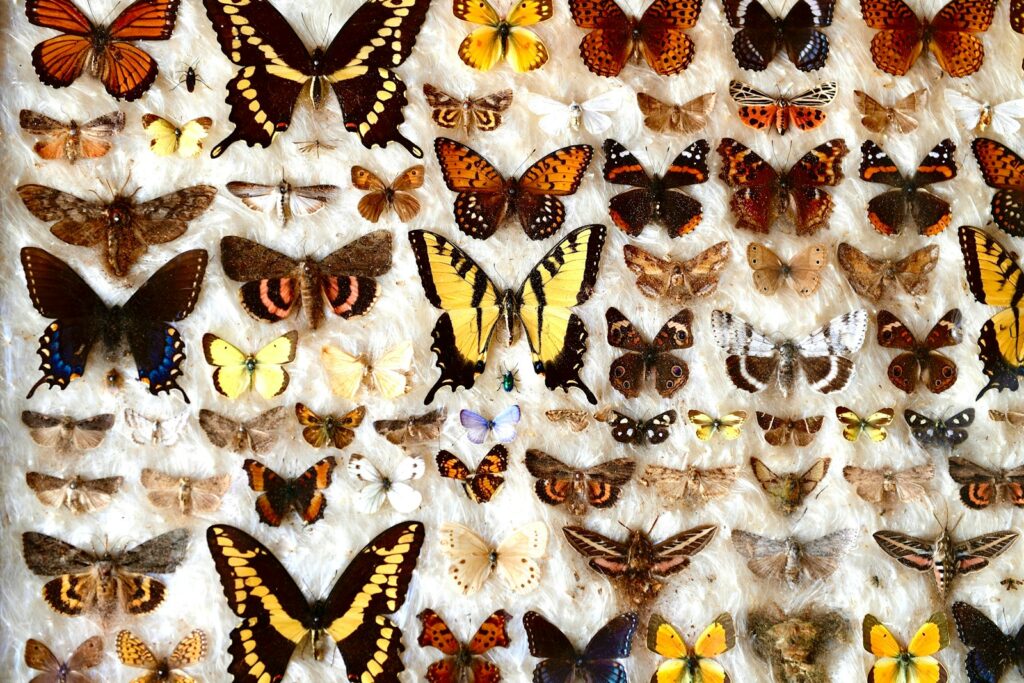

Step into a room filled with sunshine yellow or soft coral, and you can almost feel your mood lift. That’s not a coincidence; it’s chemistry.
Bright colors can literally change how your brain functions by stimulating the release of serotonin, the neurotransmitter associated with happiness, calm, and well-being.
In a world where home design has become a form of self-care, “serotonin decor” is more than an aesthetic. It’s science and emotion meeting. The hues we surround ourselves with influence our physiology, our energy, and even how we connect with others.
How Color Affects the Brain
Color isn’t just visual; it’s biological. When light enters your eyes, photoreceptors send information to the brain’s hypothalamus, which regulates hormones and mood. Bright, warm tones like yellow and orange trigger the release of serotonin and dopamine, producing feelings of energy and optimism.
Cool tones, like blue and green, activate the parasympathetic nervous system, the part responsible for rest. That’s why oceanic colors are often used in spas and bedrooms. Meanwhile, intense reds and fuchsias raise adrenaline levels, which can feel invigorating or overwhelming depending on context.
Researchers at the University of British Columbia found that exposure to brighter colors improved alertness and problem-solving, while muted environments sometimes dulled cognitive engagement. In essence, the right color palette acts as mood medicine for the mind.
The Psychology of Happiness Through Hue
Serotonin decor draws inspiration from color psychology, the study of how hues affect emotion. While cultural differences influence perception, some responses are nearly universal.
- Yellow: The “sunshine color,” associated with optimism and warmth. It activates memory and creativity while reducing fatigue.
- Pink: Soothing and nurturing. Lighter shades promote calm and affection, while hot pink radiates playful energy.
- Green: Linked to renewal and balance. The color of nature restores focus and reduces eye strain.
- Blue: Calming and trustworthy. Deep blues evoke confidence and serenity. Blue is ideal for workspaces or reflective areas.
- Orange: Stimulates enthusiasm and appetite. Often used in kitchens and social spaces to encourage conversation.
The beauty of serotonin decor lies in intentionality. Using color not just for design, but for emotional alignment.
Designing for Emotional Energy
Interior designers increasingly treat color as a wellness tool. Serotonin decor emphasizes brightness, natural light, and warmth without overstimulation. Think pastel walls, colorful textiles, plants, and artwork that mimic sunlight.
Combining hues mindfully also matters. Contrasting bright tones with neutral grounding elements, such as soft woods or cream backgrounds, keeps the space vibrant yet soothing. Color layering can even mirror emotional layering: complexity without chaos.
In corporate and educational settings, designers are embracing color to influence behavior. Warm palettes foster collaboration and positivity, while cooler tones support focus. Hospitals have begun using biophilic and serotonin-inspired palettes to promote healing and reduce stress.
When done right, color doesn’t just decorate a space. It calibrates its emotional temperature.
The Color Cure for Modern Life
Serotonin decor reflects a broader shift toward intentional living. After years of minimalist grays and sterile whites, people are craving joy, connection, and warmth. Bright colors invite playfulness back into daily life—a visual antidote to anxiety and monotony.
Even a single colorful accent, such as a throw pillow, a vase, or a piece of art, can transform the mood. It’s not about perfection; it’s about permission to feel good.
In the end, serotonin decor isn’t just a design trend. It’s a reminder that color is energy, and energy shapes emotion. When you fill your surroundings with light and vibrancy, your brain follows suit.