
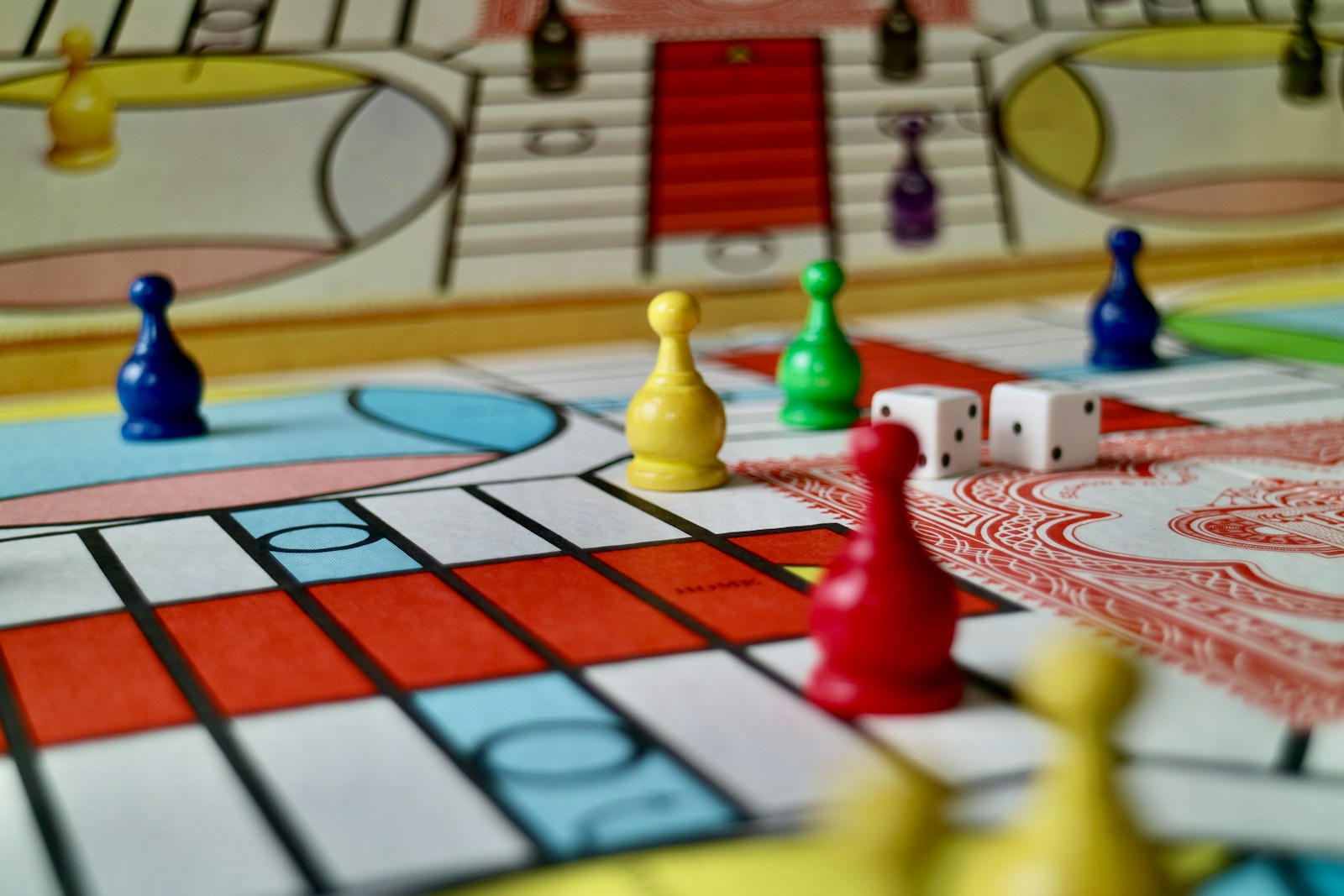
In a world ruled by screens and streaming, something surprisingly analog is making a comeback: board games and puzzles. Once seen as nostalgic relics, they’re now at the center of a cultural revival.
Game cafés are thriving, tabletop conventions are booming, and sales of puzzles and strategy games have soared since the pandemic.
What’s driving this renaissance? In part, it’s a craving for connection, focus, and tactile satisfaction. These are things digital entertainment can’t quite replicate. Sitting around a table, unplugged, has become the new form of modern mindfulness.
The Psychology of Play
Humans are wired to play. Psychologists describe play as essential to creativity, problem-solving, and emotional health. No matter your age. Board games and puzzles tap into these instincts by combining structure with imagination.
Games offer a sense of mastery: clear goals, rules, and rewards. They allow us to experiment with competition, cooperation, and risk in a safe, playful space. Meanwhile, puzzles deliver a meditative flow state. Solving piece by piece activates dopamine release, giving the brain the same satisfaction as completing a small challenge or achieving a goal.
In short, these old-school pastimes provide something our digital lives often lack: focus and closure. There’s a beginning, a middle, and an end.
The Social Reboot
While technology connects us virtually, it can isolate us emotionally. Board games, by contrast, bring people physically together. They require face-to-face interaction, shared laughter, and conversation.
Sociologists say this analog intimacy is part of why tabletop gaming has exploded among millennials and Gen Z. In a fragmented digital world, the table has become sacred ground for community.
Modern game design has evolved, too. Titles like Catan, Wingspan, and Pandemic blend strategy, storytelling, and social collaboration in ways that appeal to adults and families alike. Meanwhile, the resurgence of puzzles, especially during lockdowns, revealed how deeply people crave calm and concentration amid chaos.
Completing a 1,000-piece puzzle isn’t just leisure. It’s a slow, deliberate antidote to digital burnout.
Nostalgia Meets New Creativity
Part of the appeal lies in nostalgia. Games like Clue, Monopoly, and Scrabble evoke a sense of childhood comfort and simpler times. But today’s resurgence isn’t just; it’s innovative. Designers are reimagining the genre with diversity, artistry, and narrative depth.
Indie creators have introduced cooperative storytelling games, nature-themed puzzles, and even hybrid digital-tabletop experiences. The tactile joy of cards, dice, and wooden pieces remains central, but modern games now reflect broader cultural values, connection over competition, mindfulness over mayhem.
Even luxury brands have entered the space, producing elegant, design-forward editions meant to be displayed as art. The message is clear: analog play is not outdated; it’s elevated.
The Return of Presence
Ultimately, the revival of board games and puzzles reflects a larger cultural shift toward presence. As people seek balance between online life and real life, these tactile experiences offer a rare kind of satisfaction, one rooted in slowness, focus, and human connection.
Whether it’s the thrill of a clever move, the joy of solving the last piece, or the laughter shared over a friendly argument, the table has reclaimed its magic.
Sometimes, the best way to connect in the digital age is to unplug and play.