
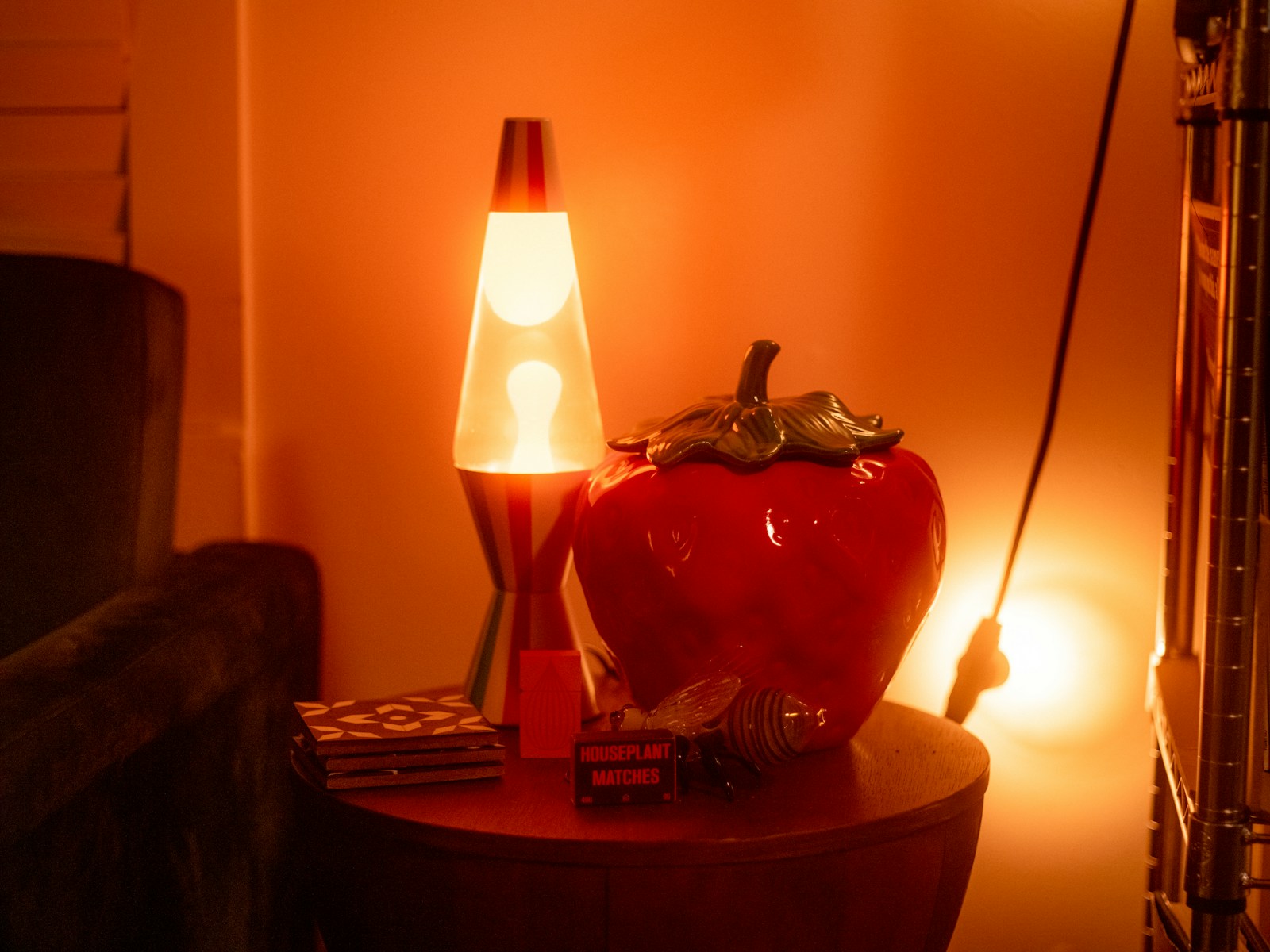
Every decade has its own defining obsession: a slight but unmistakable microtrend that captures the spirit of the era. Think lava lamps in the 1960s, mood rings in the 1970s, slap bracelets in the 1990s, or fidget spinners in the 2010s. They may seem trivial, but these fleeting fads offer surprisingly deep insight into what each generation values, fears, or dreams about.
Microtrends are cultural mirrors. They condense the essence of a moment—its technology, style, and psychology—into a single object or behavior. When we trace them decade by decade, we see how the smallest trends tell the biggest stories.
The 1960s: Peace, Psychedelia, and the Power of Expression
The 1960s microtrends were all about rebellion and color. Lava lamps, tie-dye shirts, and peace symbols defined a youth culture that rejected conformity and celebrated individuality. These weren’t just decorative objects; they were visual protests.
The psychedelic style reflected a world experimenting with consciousness, creativity, and social change. Each swirling pattern and fluid motion symbolized a break from the rigid structures of the previous generation. Even the popularity of small, handmade crafts reflected a yearning for authenticity in a rapidly industrializing society.
In short, the 1960s taught the world that self-expression could be its own form of revolution.
The 1980s: Excess, Electronics, and Escapism
By the 1980s, the cultural mood had shifted to boldness and ambition. Neon colors, Rubik’s Cubes, and Walkmans dominated the decade. These microtrends celebrated innovation and excess: everything louder, brighter, and faster.
The Rubik’s Cube represented the puzzle-solving optimism of a tech-forward generation, while the Walkman gave rise to personal soundtracks and portable identity. Neon fashion, arcade games, and boom boxes all signaled the same idea: the individual was now the star of their own story.
Beneath the glamour, though, these trends also revealed a growing fascination with technology and escapism. The 1980s were about living loudly and momentarily forgetting the world’s darker edges.
The 1990s and 2000s: Irony, Individualism, and the Internet
The 1990s were the age of irony. Slap bracelets, Beanie Babies, and Tamagotchis spoke to a generation navigating consumerism with humor. Trends spread through TV shows, magazines, and early internet forums, foreshadowing the meme culture to come.
The 2000s brought digital expansion and emotional nostalgia. From low-rise jeans to MySpace pages, culture fragmented into niches. Emo bracelets, Von Dutch hats, and tiny tech gadgets like iPods reflected the collision of digital self-expression and identity curation. Each trend existed both online and off, serving as a preview of the always-connected lives to follow.
These decades redefined individuality through collectivity. Everyone wanted to stand out, but they did it together.
The 2010s and Beyond: Microtrends in Hyperdrive
Social media transformed microtrends into viral cycles. What once took years to spread now takes days. Fidget spinners, VSCO girl aesthetics, and cottagecore all rose and fell in record time, amplified by algorithms that reward novelty.
Today’s microtrends are less about objects and more about moods—manifestation journaling, digital detoxes, or “quiet luxury.” Each reflects society’s attempt to find stability in overstimulation. The faster our lives move, the quicker we grasp for small symbols of identity and calm.
Microtrends now operate as cultural time stamps, showing how technology accelerates not just what we buy, but how we think. They are the heartbeat of collective emotion, pulsing through each decade with a unique rhythm.