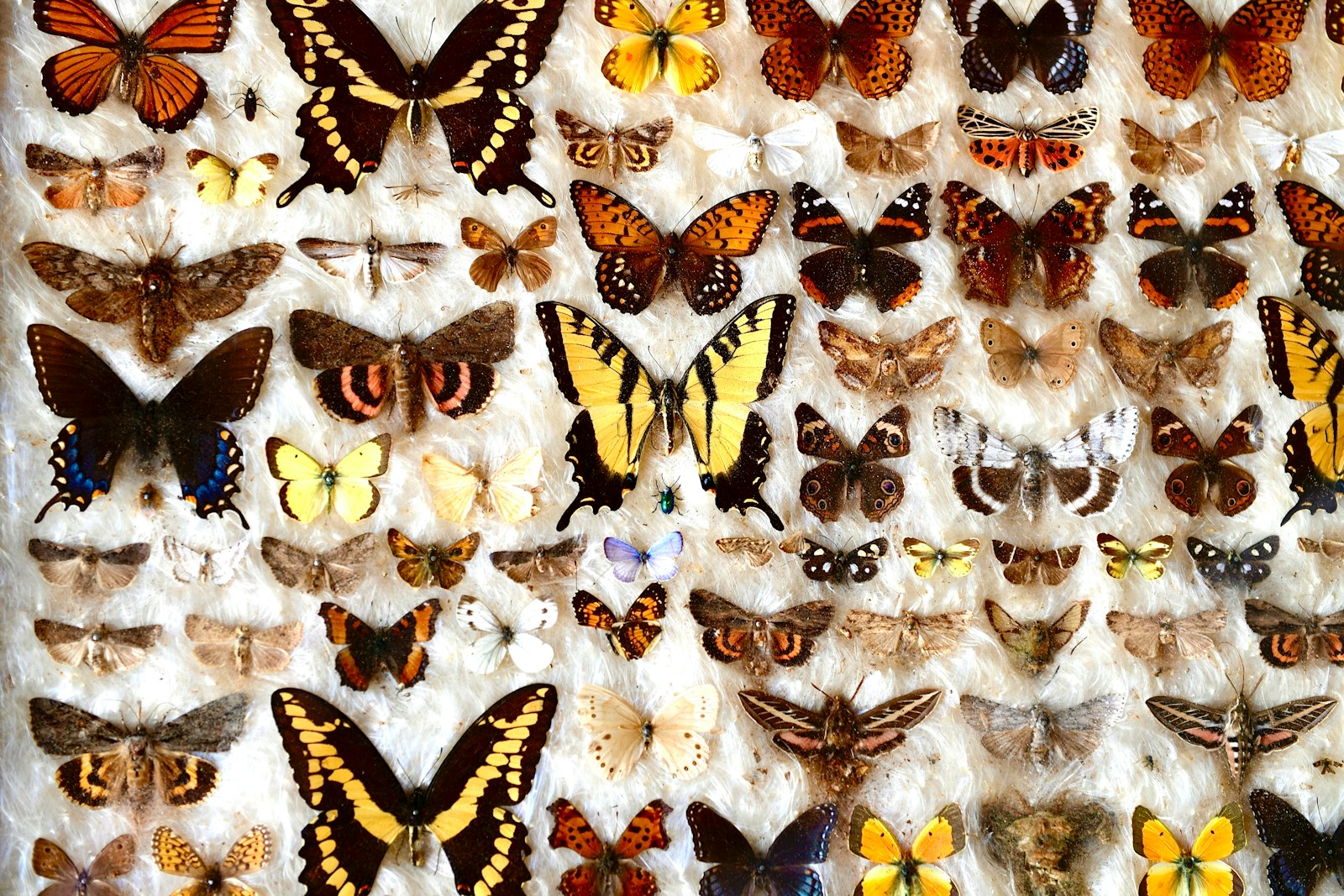
From seashells to sneakers, stamps to NFTs, the impulse to collect is a universal human trait. Every culture and nearly every individual has felt it. What drives this behavior isn’t just consumerism or sentimentality. It’s deeply psychological, rooted in our need for meaning, identity, and control.
We collect to preserve, to express, to remember, and sometimes to soothe. Behind every carefully arranged shelf or digital archive lies a mind trying to make sense of the world through patterns and possession.
The Evolutionary Roots of Collecting
Anthropologists trace collecting back to survival. Early humans gathered food, tools, and materials not only for necessity but also for security, and the instinct to acquire and organize resources provided a sense of security against uncertainty.
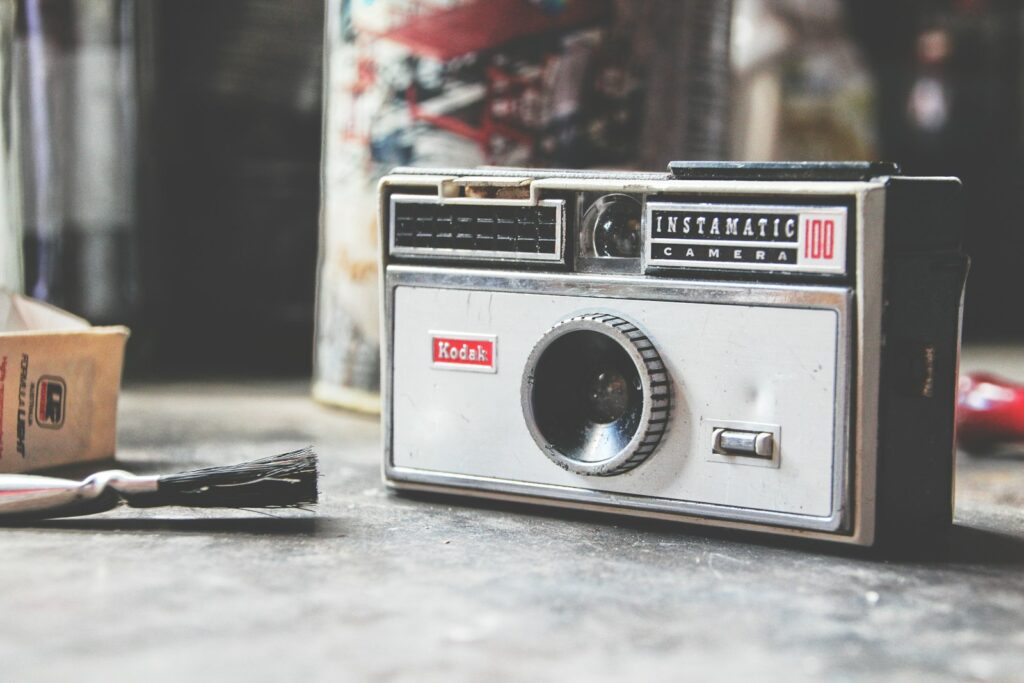
Over time, this evolved from physical survival to emotional satisfaction. Collecting became symbolic: proof of abundance, knowledge, and mastery. In a sense, modern collections, such as vinyl records, vintage cameras, and limited-edition sneakers, are echoes of ancient foraging behavior, redirected toward cultural rather than biological needs.
Psychologists describe this as the extension of the self theory: possessions become part of identity, an outward reflection of inner values.
The Dopamine Loop of Discovery
Finding something rare or completing a set triggers a burst of dopamine. This is the same neurotransmitter linked to reward and motivation. This biochemical high reinforces collecting behavior, creating what psychologists call the seeking loop: the pleasure not just of owning, but of searching.
That’s why collectors often say the hunt is the best part. Each discovery, whether at a thrift store or an online auction, brings a small thrill of mastery and luck. It’s the brain’s way of saying, “You found something valuable, and by extension, so are you.”
This feedback loop helps explain why collecting is both joyful and addictive. It’s a mix of control, curiosity, and emotional reward.
Memory, Meaning, and Emotional Anchors
Collections also serve as emotional anchors. They are physical manifestations of time, place, and identity. A postcard collection might represent places visited, old records, a connection to family, or youth. Each object becomes a memory you can touch.
Neuroscientists suggest that tangible objects strengthen autobiographical memory by engaging multiple senses: sight, touch, and even smell. The act of handling collectibles helps preserve personal history in ways digital memories can’t replicate.
In this way, collecting becomes storytelling: a quiet archive of who we’ve been and what we love.
The Comfort of Control
Collecting can also offer stability in a chaotic world. Organizing, categorizing, and curating objects provides a sense of order when life feels unpredictable. For some, it’s therapeutic and a safe ritual of focus and control.
Psychologists note that during periods of stress or uncertainty, collecting behaviors often increase. It’s a coping mechanism, turning chaos into a catalog. When external events are uncontrollable, arranging small worlds, on shelves, in albums, or even online, can feel like reclaiming balance.
However, there’s a fine line between collecting and hoarding. Healthy collecting brings joy, social connection, and creative expression; compulsive accumulation often arises from anxiety or loss. The difference lies in intention: are you curating, or are you clinging?
Collecting in the Digital Age
The instinct hasn’t faded with technology; it’s just evolved. Today’s collections exist as playlists, photo feeds, or digital art galleries. Social media profiles act as virtual display cases, transforming personal curation into public performance.
Even in virtual form, the psychological drive remains the same: to preserve meaning, mark milestones, and share identity. The medium changes, but the motivation—connection through curation—stays timeless.
In the end, collecting is one of humanity’s most beautiful paradoxes. We know objects can’t hold happiness, yet we fill our lives with them anyway, not for their material worth, but for the stories they carry.
To collect is to remember, to define, and to belong. It’s proof that we’re still searching for order, beauty, and pieces of ourselves.