Tattoos have evolved far beyond rebellion or decoration. They’ve become visual stories etched on skin. Every symbol, line, or image carries meaning, whether personal, cultural, or spiritual.
From minimalist designs to intricate sleeves, today’s tattoos often blend ancient symbolism with modern identity, allowing people to wear their values, memories, and beliefs on their bodies.
But many of the most popular tattoo motifs we see today, such as anchors, roses, snakes, and moons, have histories that stretch back centuries. Beneath their aesthetic appeal lies a rich tapestry of myth, psychology, and self-expression.
Ancient Symbols, Modern Skin
Long before tattoos were art, they were communication. In ancient Egypt, tattoos marked spiritual devotion and social status. Polynesian cultures used tattooing (or tatau) to tell family histories and demonstrate bravery. Indigenous peoples across continents used symbols as talismans for marks of protection, belonging, and transformation.
Modern tattooing borrows heavily from these roots. Geometric mandalas, tribal lines, and mythological symbols continue to connect wearers to traditions that see the body as both canvas and storybook. Each tattoo becomes an echo of human heritage, reframed through contemporary design.
The Meanings Behind Common Designs
Many popular tattoos carry hidden symbolism that transcends fashion trends:
- Anchor: Once favored by sailors, the anchor symbolizes stability, hope, and grounding. It represents the strength to stay centered amid life’s storms.
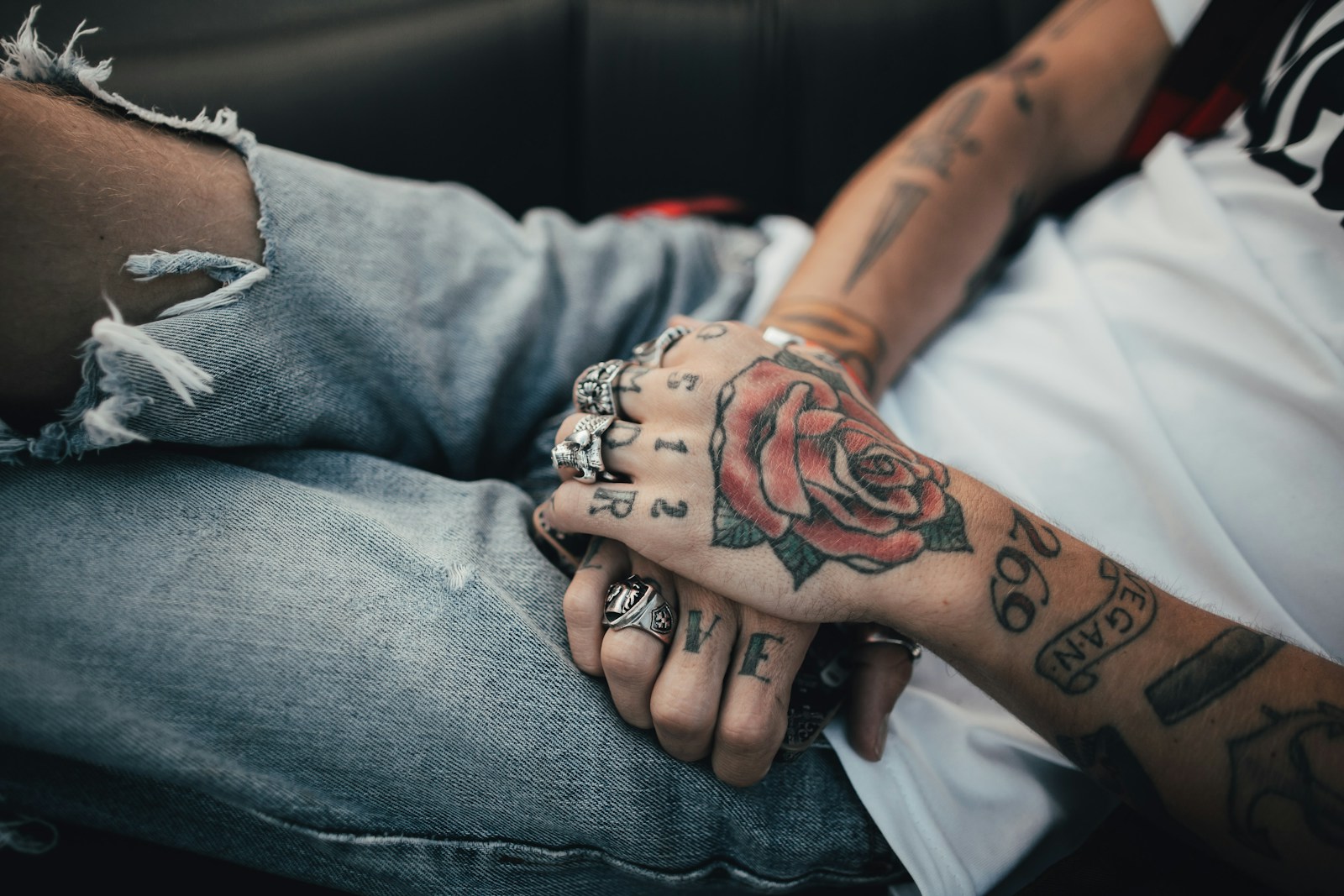
- Rose: Universally tied to love and beauty, the rose also symbolizes duality. It’s the balance between beauty and pain, joy and loss, through its petals and thorns.
- Snake: Associated with transformation, rebirth, and healing, snakes shed their skin as a symbol of personal evolution. In many cultures, they embody wisdom and renewal.
- Moon: A favorite among minimalist designs, the moon represents cycles, intuition, and feminine energy. Crescent moons often symbolize growth or new beginnings.
- Butterfly: Transformation and freedom. The butterfly’s metamorphosis mirrors human change and resilience after hardship.
- Eye: Whether the “all-seeing eye” or a simple outline, it represents awareness, protection, and insight—an ancient emblem of spiritual vigilance.
These designs endure because their meanings are timeless, resonating with universal experiences of love, loss, and transformation.
The Psychology of Ink and Identity
Beyond symbolism, tattoos serve a powerful psychological function. They anchor identity. Studies in psychology suggest tattoos help people reclaim control over their bodies, commemorate milestones, or externalize inner strength. The act of choosing a permanent mark can be empowering, reinforcing self-definition in a world that constantly changes.
For some, tattoos are a response to trauma or transition. They are visual affirmations of survival. For others, they’re reminders of purpose, loved ones, or beliefs. Every tattoo becomes both armor and autobiography.
Tattoos also foster connection. Shared imagery, such as matching designs among friends or family, creates visible bonds. In this way, tattoos blend the personal with the collective, turning individuality into a shared language of meaning.
From Taboo to Mainstream Art
Once stigmatized, tattoos have become an accepted and celebrated form of self-expression. Fine-line realism, watercolor effects, and single-needle detailing have elevated tattooing into a respected art form. Artists now specialize in emotional storytelling through imagery, using the human body as a living gallery.
Yet, even as trends shift, the impulse remains the same: to mark what matters. Whether it’s a symbol of endurance, a nod to heritage, or simply a reminder to stay grounded, tattoos continue to bridge past and present. Essentially, tattoos are our modern skin carrying ancient whispers.