
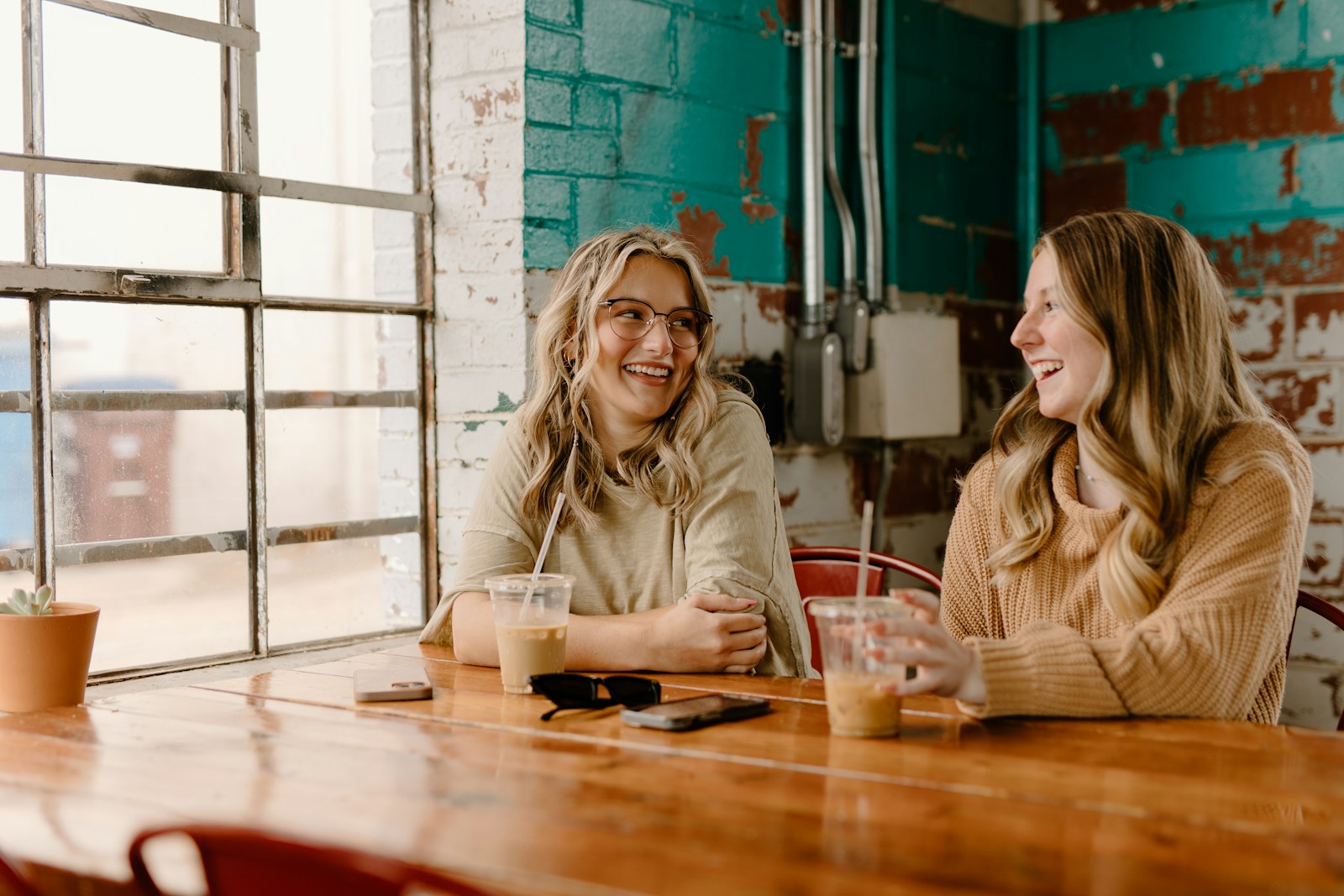
For most people, life revolves around two main spaces: the home and the workplace. But sociologists say we thrive when we have a third place too: a casual, welcoming environment that fosters connection without obligation.
Think cafés, libraries, barbershops, or parks. These are spaces where people gather not for work or family duties, but for the simple pleasure of being among others.
In the digital age, where isolation has quietly become an epidemic, these third places are making a comeback. Communities are rediscovering that belonging doesn’t happen in isolation. It occurs in shared spaces that invite conversation, creativity, and comfort.
What Exactly Is a “Third Place”?
Sociologist Ray Oldenburg coined the term in his 1989 book The Great Good Place. He argued that societies need three foundational environments:
- First place: Home. Where we live and rest.
- Second place: Work. Where we earn and produce.
- Third place: A neutral zone where everyone is welcome. Status doesn’t matter, and dialogue flows naturally.
Cafés, pubs, community centers, and even local bookstores once filled this role. They were the social glue of towns and neighborhoods, encouraging interaction across age, background, and belief.
As urban life accelerated and online communication replaced in-person conversation, many of these gathering spaces disappeared. The pandemic only deepened that void. But now, people are returning and seeking community in spaces that feel human again.
The Emotional and Psychological Benefits
Third places offer more than coffee and conversation. They nourish mental health. Psychologists have found that regular social interaction, even brief or casual, reduces stress and loneliness while improving overall happiness and cognitive resilience.
Unlike work or home, these spaces ask nothing of us. They provide what researchers call social spontaneity: encounters that aren’t planned or transactional but happen. These moments of unstructured interaction foster a sense of belonging that digital “likes” can’t replicate.
Even the sensory aspects of third places, such as ambient noise, shared laughter, and background music, stimulate relaxation and creativity. That’s why people often say they think better in coffee shops than at home: mild social buzz puts the brain in an optimal creative rhythm.
Modern Reinventions of the Third Place
The new wave of third places differs from its predecessors. Coffeehouses and breweries remain staples, but new spaces are emerging, such as co-working lounges, hybrid bookstores, gaming cafés, and maker studios.
Public libraries have evolved into community hubs offering everything from workshops to mental health resources. Parks are being redesigned with social zones and outdoor Wi-Fi to encourage gathering. Even some retail stores are creating lounge areas for people to linger and connect rather than shop.
Digital life has even inspired hybrid third places. Online communities that meet offline, such as book clubs, creator meetups, or board game nights. These reflect our need to turn virtual connection into physical presence.
The key ingredient isn’t format; it’s accessibility. Proper third places are inclusive, affordable, and welcoming. They thrive on diversity, not exclusivity.
Why We Need Them More Than Ever
Loneliness has become a defining health concern of the 21st century, with studies linking social isolation to higher risks of depression, anxiety, and even cardiovascular disease. Third places act as preventative care for the soul. They are spaces where belonging happens naturally.
Rebuilding them means reweaving the social fabric. Urban planners and community leaders are increasingly prioritizing walkable neighborhoods with communal areas, recognizing that connection isn’t a luxury; it’s infrastructure.
Whether it’s your favorite café, a neighborhood park bench, or a cozy corner in a local bookstore, your third place might be more vital than you realize. It’s where community happens quietly: one conversation, one smile, one shared table at a time.