
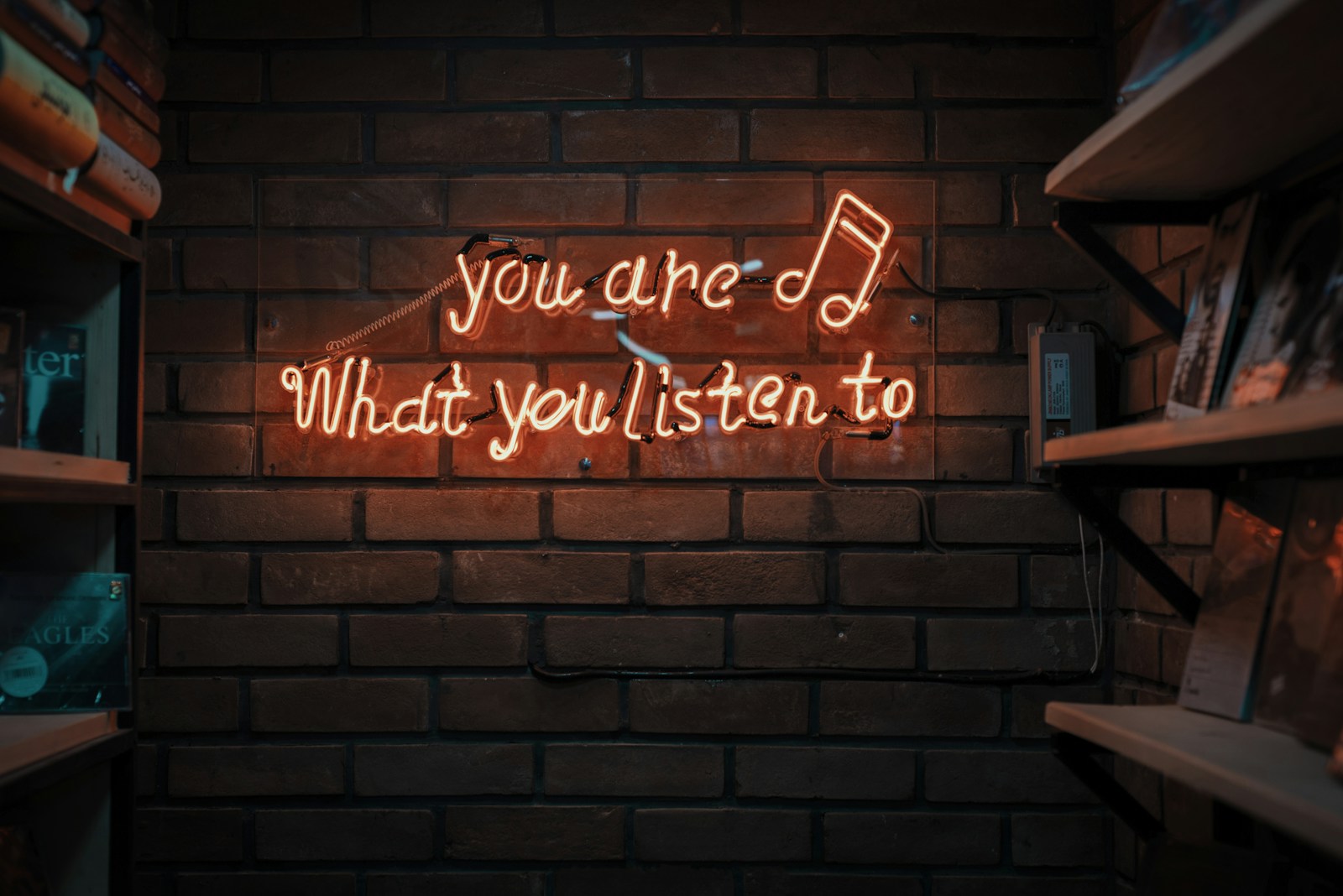
Not long ago, people used quizzes to discover who they were—whether introvert or extrovert, Type A or Type B, or maybe even which Hogwarts house they belonged to. Today, that self-portrait has shifted from questionnaires to playlists. Music streaming has turned listening habits into mirrors of mood, memory, and personality.
Your playlists—what you build, what you loop, what you hide—reveal more about you than any multiple-choice test ever could. In the age of algorithms and self-curation, our taste in music has become the new emotional fingerprint.
The Soundtrack of Self
Psychologists have long known that musical preference correlates with personality. Studies from Cambridge University found that people who favor upbeat pop and dance tracks tend to score higher on extraversion. In contrast, fans of reflective genres like indie and folk tend to score higher on openness and empathy.
But playlists go deeper than genre. They’re fluid, emotional diaries. A “Morning Motivation” list may speak to optimism and focus, while a “Late Night Drive” mix might capture introspection or nostalgia. Each collection becomes a sonic snapshot of who we are or who we want to be.
Music, unlike formal tests, allows people to define themselves dynamically. Your taste shifts with mood, growth, and circumstance. The playlist evolves as you do.
Algorithms and the New Psychology of Taste
Streaming platforms like Spotify, Apple Music, and YouTube Music have turned listening into data. Their algorithms analyze tempo, energy, lyrics, and even key signatures to map emotional patterns. What used to be an art of instinct is now measurable psychology.
For users, that data becomes identity shorthand. Wrapped reports, listening summaries, and “vibe” generators invite people to share not just what they heard, but who they are through sound. Posting your Spotify Wrapped has become a cultural ritual, replacing traditional personality labels with musical ones: “I’m a nostalgic dreamer,” “I’m chaotic energy,” “I’m main-character melancholy.”
The more we stream, the more music reflects our inner lives to us—algorithmically distilled self-awareness.
The Social Side of Sound
Playlists have also become modern social tools. Sharing them is a new form of emotional language, more subtle than texting, more intimate than words. Sending someone a playlist says, “This is how I feel,” or “Here’s how I see you.”
On social media, collaborative playlists let people bond through rhythm and mood rather than conversation. Gen Z in particular uses them as emotional shorthand—digital mixtapes that blend identity, aesthetics, and belonging.
Music communities online often form around shared emotion rather than shared genre. “Sad girl autumn,” “study beats,” or “cozy core.” These microgenres are musical forms of personality types.
Playlists as Modern Mirror
Traditional personality tests rely on static answers, but playlists reveal behavior: what you listen to, when you listen, what you skip, and how long you dwell. That behavioral truth paints a more honest psychological portrait than any self-reported survey.
Psychologists call this implicit personality data: insights drawn from choices rather than declarations. Your listening patterns expose how you regulate mood, process memory, and seek emotional balance.
A playlist, in other words, is both art and algorithm. It’s a portrait you unconsciously compose with every press of play.
The Future of Musical Identity
As AI and streaming technology advance, personalized soundscapes will become even more reflective of personality. Future playlists may adapt in real time. They may adjust tempo to your mood or curate songs that align with your cognitive state.
Music has always helped us understand ourselves. The difference now is scale and precision. We no longer listen to soundtracks; we live inside them.
The next time you hit play on your favorite playlist, remember: it’s more than background noise. It’s your emotional blueprint, written in rhythm.