
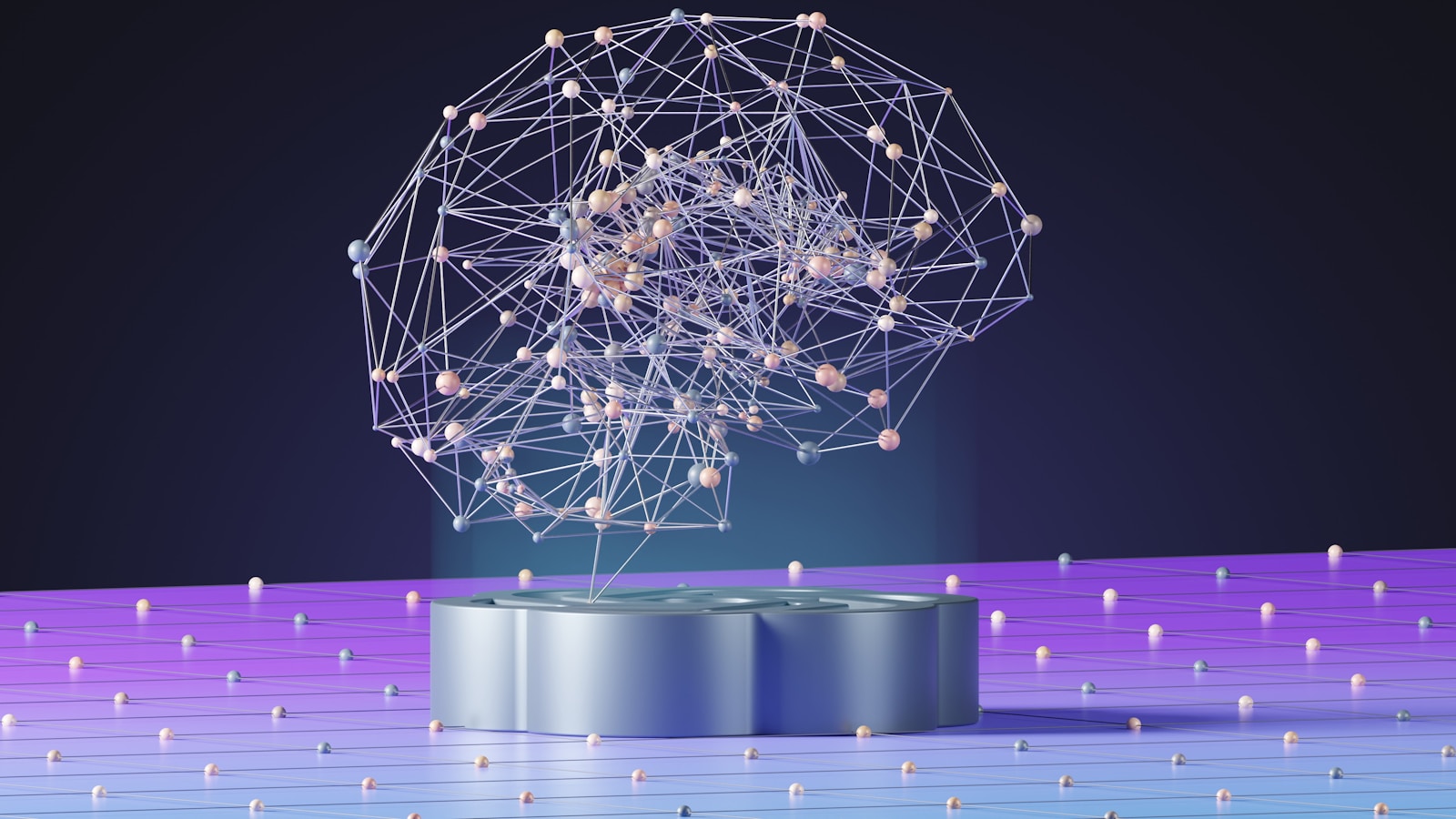
Artificial intelligence isn’t just powering futuristic robots. It’s quietly influencing your daily life in ways you may not even notice. Every scroll, search, and suggestion you encounter online is guided by algorithms designed to learn from you and shape what you do next.
From the routes you drive to the shows you binge, AI subtly curates your choices, routines, and even moods. While this invisible assistance often feels convenient, it also raises questions about autonomy. How much of what we do each day is truly our choice, and how much has been guided by code?
The Invisible Hand of Recommendation
AI-driven recommendation systems are among the most pervasive forms of influence. Streaming platforms like Netflix and Spotify don’t just suggest what you might like; they anticipate what you’ll want next. By analyzing viewing habits, pause times, and even mood indicators, these systems learn your emotional patterns and predict how to keep you engaged.
Shopping sites, social media feeds, and search engines operate the same way. Each click refines a personal profile that tailors the content you see. The result is a world where convenience and customization merge so seamlessly that we rarely stop to question it.
This invisible curation isn’t malicious; it’s mathematical. But its power lies in how it narrows perception, guiding users toward familiarity over discovery.
How AI Shapes Daily Decisions
The reach of AI extends far beyond entertainment. Intelligent assistants like Alexa and Siri shape how we plan our days by setting reminders, adjusting thermostats, and managing schedules. Navigation apps use predictive algorithms to alter routes in real time, influencing how entire cities move.
Even our health and fitness routines are optimized through AI. Wearable devices track heart rates and sleep cycles, nudging users toward specific behaviors. Over time, these micro-adjustments accumulate, subtly steering our habits without conscious input.
AI’s most significant influence may lie in how it normalizes routine efficiency. When decisions are automated, we conserve mental energy, but at the cost of agency. The line between guidance and dependence grows thinner each day.
The Comfort (and Risk) of Personalization
Personalization feels like empowerment. AI learns what we want and delivers it instantly. But this convenience comes with a trade-off: the comfort of predictability can limit exposure to new ideas.
The same algorithm that recommends your favorite artist might also prevent you from discovering something outside your usual taste. Social media feeds amplify this by creating “filter bubbles,”—digital environments that reinforce beliefs and preferences, shaping worldviews in subtle but profound ways.
This feedback loop can even affect mood. Studies show that algorithmic exposure to specific content, such as doomscrolling or emotionally charged videos, can shift users’ emotional states. In short, AI doesn’t just reflect behavior; it trains it.
Taking Back Awareness in an Automated World
AI’s influence isn’t inherently negative. It’s a mirror reflecting human patterns at us. But awareness is key. By understanding how algorithms function, we can choose when to engage and when to step outside their design.
Consciously seeking novelty, limiting passive scrolling, and diversifying your digital inputs help rebalance control. Turning off autoplay, following creators with opposing perspectives, or manually searching for content beyond recommendations can restore agency.
AI may guide habits, but it doesn’t have to define them. The more we understand the systems shaping our choices, the more intentionally we can live alongside them. The future of AI isn’t about replacing human decision-making. It’s about rediscovering it.