Whether you curl up like a cat or sprawl across the bed like a starfish, your favorite sleep position might reveal more about you than you think. Scientists have long studied the connection between body language and personality, and it turns out our unconscious sleeping habits are no exception.
The way we rest can reflect emotional tendencies, comfort preferences, and even subtle psychological traits. While no sleep position defines a person entirely, patterns do emerge. How you position yourself at night says something about how you move through the world by day.
The Fetal Position: Comfort and Sensitivity
By far the most common sleep posture is the fetal position. This is where you are curled on your side with knees tucked in, and it signals a need for security. Sleep researchers suggest it mimics the womb’s instinctive posture, offering physical and emotional comfort.
People who prefer this position tend to be empathetic and thoughtful but may also appear reserved or cautious at first. They’re often sensitive to emotional dynamics and seek safety in familiar environments. Women are twice as likely as men to favor this position, possibly because of natural differences in stress response and emotional processing.
Interestingly, studies have shown that people who sleep in the fetal position are also among the most adaptable, able to “unfurl” socially when they feel safe.
The Log and the Yearner: Open Yet Guarded
Side sleepers who keep their bodies straight with arms at their sides, known as the “log” position, tend to be easygoing, social, and trusting. However, they may also be a little too trusting, according to research from the UK’s Sleep Assessment and Advisory Service. Their relaxed physical openness reflects emotional openness.
By contrast, “yearners,” who extend their arms outward while lying on their side, often appear welcoming but analytical. They like to consider options carefully and may be slow to make decisions. This position suggests curiosity and a desire for connection mixed with discernment.
Both types of side sleeping promote spinal alignment and support healthy breathing. So personality aside, they’re some of the best positions for overall rest.
The Freefall and the Soldier: Control and Structure
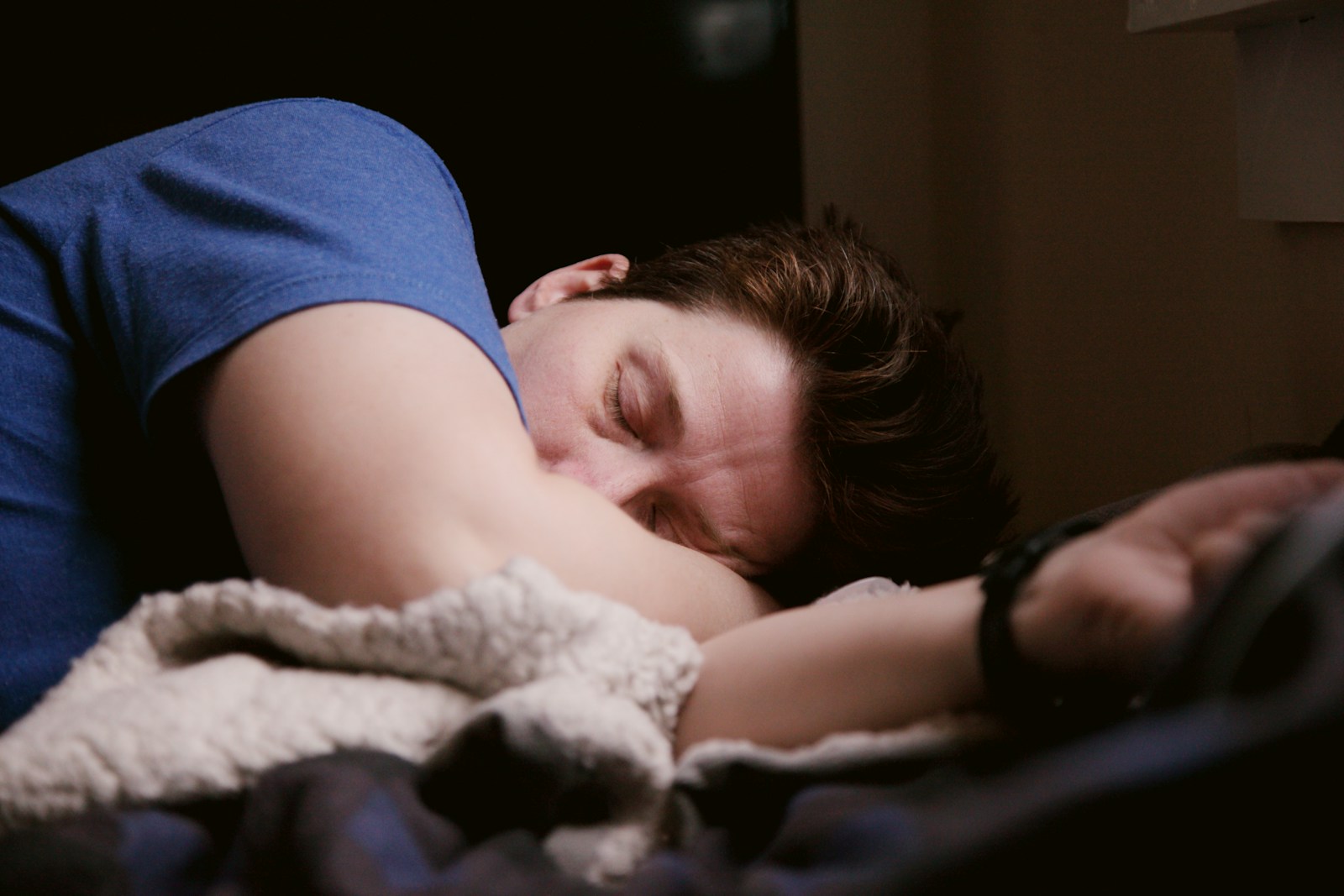
If you sleep on your stomach with your head turned to one side, you’re in the “freefall” position. People who prefer this posture often describe themselves as bold, outgoing, and independent, but with a hidden vulnerability. The exposed, face-down stance suggests confidence but also a subconscious desire for control.
Back sleepers, especially those who lie with arms at their sides like a “soldier,” tend to be structured, disciplined, and calm. They’re goal-oriented and value order in their surroundings. However, this position can sometimes correlate with perfectionist tendencies and an increased likelihood of snoring, according to sleep medicine studies.
In both cases, posture mirrors personality: whether face-down or face-up, it’s about control over one’s environment.
The Starfish: Generosity and Selflessness
Few people sleep like a starfish, a position in which they spread out on their backs, arms and legs wide, but those who do often have generous personalities. They’re supportive friends and good listeners, though they may prefer staying out of the spotlight.
This position reflects openness and trust but can come at the expense of personal space, both in bed and in relationships. Physiologically, starfish sleepers may experience shoulder or back tension, but emotionally, they’re often the people others rely on for steadiness.
Your sleeping posture may not define you completely, but it can offer surprising insight into how you navigate comfort, connection, and control. After all, even in rest, the body continues to tell its story.