
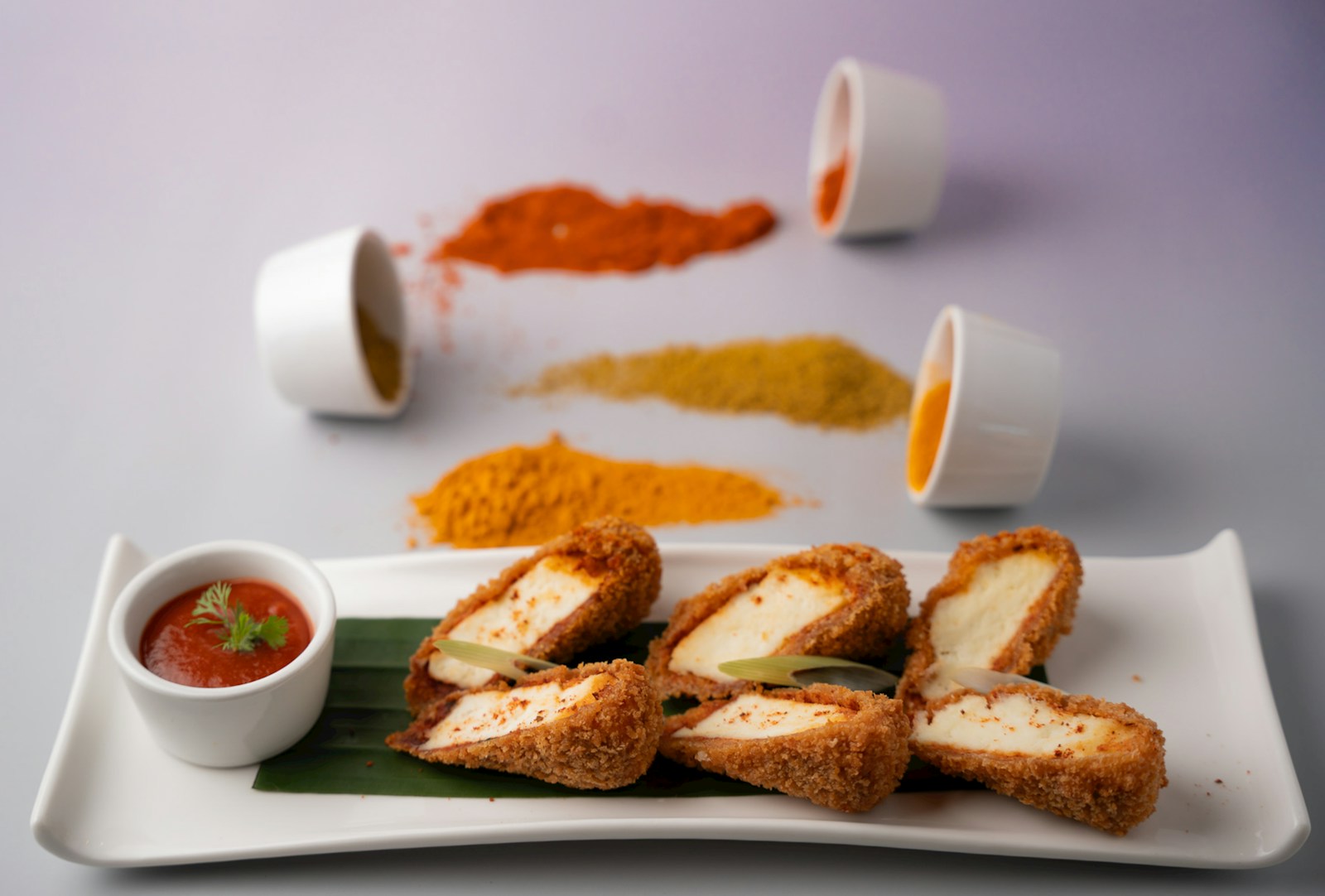
A few decades ago, food was about taste and nourishment. Today, it’s also about aesthetics. From latte art to color-coordinated smoothie bowls, food has become a visual language. Food presentation functions as a way to express creativity, identity, and even social status.
On Instagram and TikTok, the phrase “camera eats first” isn’t just a joke; it’s the new etiquette. Food presentation has transformed into a kind of social currency, where plating, lighting, and styling say as much about lifestyle as flavor. But this obsession with how food looks didn’t appear overnight—it’s the culmination of centuries of cultural evolution and a dash of modern psychology.
The History of Eating with the Eyes
The idea that we “eat with our eyes first” is ancient. Early Roman feasts emphasized extravagant displays, with elaborate arrangements designed to impress guests long before the first bite. In Japanese cuisine, kaiseki dining elevated plating to an art form centuries ago, balancing color, texture, and seasonality to honor nature and aesthetics.
As photography and media evolved, so did presentation. In the 1950s, glossy cookbooks and advertisements used perfected dishes to sell aspiration. Today, social media has democratized that art, allowing anyone with a phone to create culinary theater.
In essence, what once belonged to chefs and artists now belongs to everyone.
The Psychology of Pretty Plates
Visual appeal doesn’t just influence perception; it shapes it. It literally changes how we taste. Studies at Oxford University found that colorful, neatly arranged food activates brain regions associated with pleasure and anticipation. Participants even rated identical dishes as tastier when presented attractively.
Symmetry, contrast, and color all play roles. Bright vegetables signal freshness; circular arrangements feel harmonious; minimalist plating evokes sophistication. Our brains interpret beauty as quality. It’s an evolutionary bias that helped our ancestors identify safe, nutritious foods in the wild.
In the digital age, that instinct persists. When food looks appealing, it feels emotionally satisfying, even before we eat it.
The Social Media Effect
Social platforms turned dining into performance. The rise of food influencers, hashtags like #foodporn, and short-form recipe videos has made plating a new form of personal branding. Aesthetic meals suggest not just good taste, but a curated life.
Posting food online also taps into the “self-representation” principle in psychology. Sharing how we eat becomes a way to communicate identity. Whether minimalist, plant-based, or indulgent, our plates signal our values to the world.
Yet this digital feast has a double edge. The pressure to make every meal Instagram-worthy can lead to over-curation, turning nourishment into competition. Experts warn that constant comparison may distance us from the joy of simply eating. The challenge is balancing art with authenticity.
The Future of Food as Experience
As dining continues to merge with technology and design, the visual experience will only grow. Restaurants now collaborate with lighting designers and architects to enhance plating aesthetics. Augmented reality menus and “multi-sensory dining” experiences fuse sight, scent, and sound into immersive meals.
At home, the trend has sparked creativity. People arrange ingredients like artists, finding mindfulness in the ritual. Food styling becomes not just a social display, but self-expression.
In a sense, the rise of aesthetic eating brings us full circle: back to the idea that food is art, culture, and connection. The plate is the canvas; the meal, the message.