
In an era of instant messages and disappearing texts, a handwritten letter feels almost radical. Despite email, emojis, and AI, handwritten letters endure as a timeless expression of authenticity and care.
The moment you unfold a letter, with ink slightly smudged, the paper warm from someone’s touch, you’re reminded that human connection can’t always be typed. Why? Because letters carry something digital communication can’t: presence. Every loop, pause, and imperfection in handwriting is a physical trace of the writer’s emotion, frozen in time.
The Psychology of Tangibility
Psychologists say the appeal of handwritten letters lies in their tactility. Unlike digital messages that vanish with a swipe, letters exist in the real world. You can hold them, keep them, and revisit them years later. This tangible permanence lends emotional weight to the words it contains.
Writing by hand also activates different parts of the brain than typing. Studies show it engages memory, emotion, and motor regions more deeply, making writing inherently personal. The time and effort required signal intention. A handwritten letter is a powerful gesture in a fast, convenience-driven culture.
When you receive a letter, you’re not just reading thoughts. You’re feeling the time someone took to think of you.
Letters as Emotional Artifacts
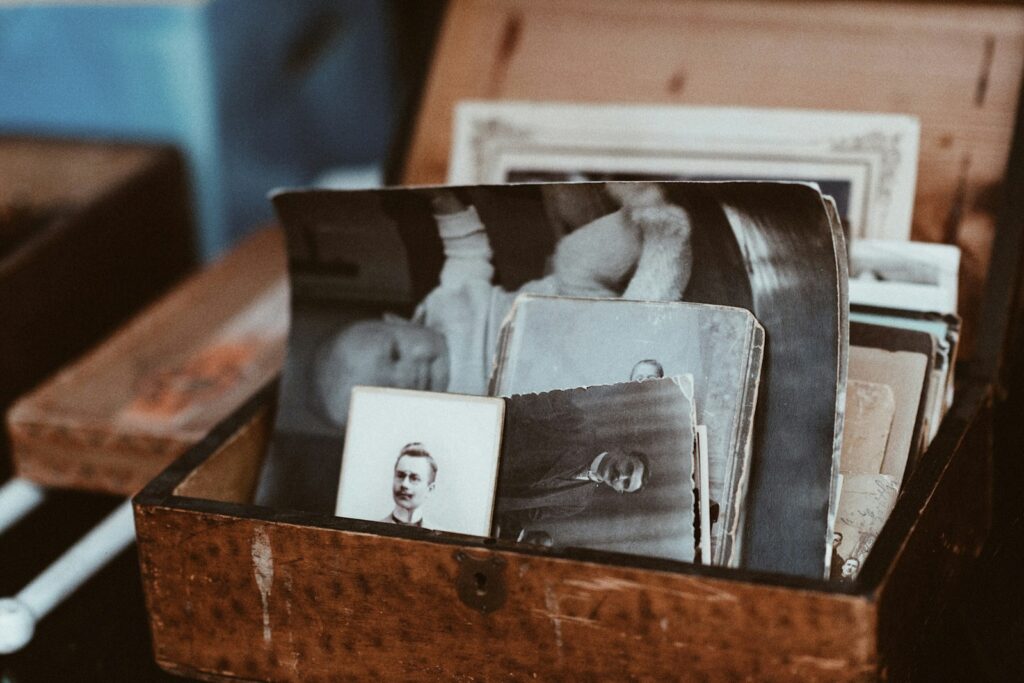
Letters are keepsakes in a way texts never will be. They capture the handwriting quirks, doodles, and spontaneous thoughts that reveal personality. Each one becomes an emotional snapshot, preserving both message and moment.
Historically, letters have documented everything from romance to revolution. They carried love across oceans, hope across wars, and knowledge across generations. Today, they still hold that quiet power: to bridge distance and make emotion visible.
Receiving a handwritten note engages multiple senses—sight, touch, even smell—and triggers nostalgia, a potent emotional response linked to comfort and connection. No notification ping could ever replicate that.
A Counterbalance to Digital Clutter
In the digital age, communication is constant but fleeting. Messages pile up, get buried, or disappear. Letters offer the opposite: intentionality. They slow time. Writing one requires reflection; reading one demands presence.
Many people are rediscovering this analog ritual as a form of mindfulness. Letter-writing groups, pen pal projects, and stationery subscriptions have surged in popularity. The act feels grounding, like reclaiming intimacy from the noise of screens.
Even brands have noticed. Luxury companies and small businesses alike often include handwritten notes with purchases because the gesture instantly humanizes the interaction. The medium itself conveys sincerity.
The Future of a Timeless Gesture
Handwritten letters may no longer be necessary, but that’s precisely what makes them meaningful. In an age of automation, effort stands out. The slower pace of ink and paper contrasts beautifully with digital efficiency. It reminds us that the most valuable messages are the ones we take time to write.
Letters endure because they are imperfect and impermanent in the best way. They wrinkle, fade, and age along with us, becoming tangible memories of connection.
As technology continues to accelerate communication, the handwritten letter remains a quiet act of resistance, and perhaps the most human way to stay in touch.