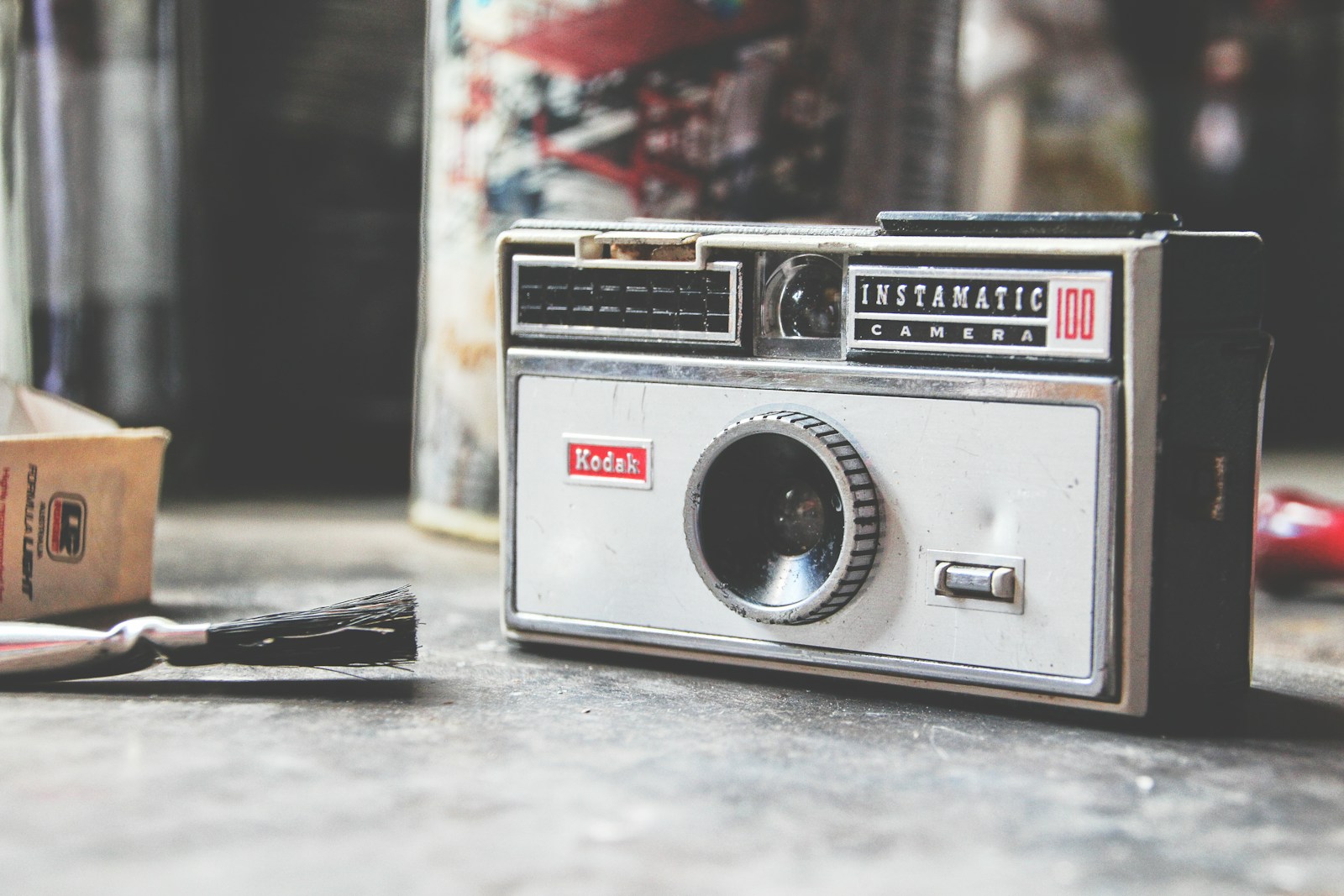
In a time when anyone can snap thousands of digital photos with a phone, a growing number of young creators are reaching for something older: film cameras. Once considered obsolete, analog photography has made a remarkable comeback.
From thrifted point-and-shoots to Polaroids and 35mm SLRs, vintage cameras are back in the hands of a new generation hungry for authenticity. This resurgence isn’t about rejecting technology. It’s about rediscovering meaning in a medium that demands patience, imperfection, and presence.
The Appeal of Analog in a Digital World
Digital convenience has made photography instantaneous, but also disposable. When you can take and delete hundreds of shots in seconds, each image loses significance. Film photography reverses that. With a limited number of exposures per roll, every frame requires intention.
The delay between shooting and developing adds anticipation and surprise, creating emotional investment. Many creators say that slowing down makes them more observant. It forces the photographer to be more attuned to composition, light, and mood.
In a fast-scrolling culture, film offers something radical: the luxury of slowing down and trusting imperfection.
Nostalgia and the Texture of Memory
Part of the film’s appeal lies in its texture—the soft grain, muted tones, and unpredictable light leaks that digital filters try to imitate. These visual quirks evoke warmth and nostalgia, transforming even ordinary moments into something cinematic.
Psychologists note that nostalgia can boost well-being, offering comfort and a sense of continuity in times of uncertainty. Vintage cameras tap into that emotion. Shooting with a vintage camera feels like touching history and provides a tangible connection to the artistry of earlier eras.
For many young photographers, film isn’t just aesthetic; it’s emotional storytelling. The imperfections make it real.
The Art of Limitation
Ironically, limitations are what make film photography creatively liberating. Without instant review or endless storage, photographers must pre-visualize the shot. The photographer must pause and consider exposure, framing, and timing before pressing the shutter.
This process builds skill and intuition. Many professionals say film forces you to “see like a photographer” rather than rely on editing later. It’s a discipline that encourages craftsmanship over convenience.
And when the roll develops, the results—good or flawed—carry a sense of authenticity that digital perfection often lacks.
Community, Revival, and Creative Identity
The resurgence of film has built a thriving online-offline hybrid community. Hashtags like #filmisnotdead and #shootfilmstaybroke connect millions of enthusiasts sharing techniques, camera finds, and lab results. Independent film labs, once endangered, are reopening in significant cities.
Even major brands like Kodak and Fujifilm have revived classic film stocks due to rising demand. Meanwhile, artists and influencers integrate analog photos into digital platforms, blending retro and modern aesthetics.
For Gen Z and millennials, shooting film is both rebellion and ritual. Analog photography is a way to reclaim creativity from algorithms and automation.
In the end, vintage cameras remind us that photography isn’t just about capturing the world; it’s about experiencing it. Slower, fewer, and more deliberate. Each frame becomes a conversation between light, time, and human touch.